Stress and mood
Burning mouth syndrome, stress, anxiety and mood
Stress, anxiety and low mood do not mean burning mouth syndrome is imaginary. They matter because the nervous system that produces pain is wired to the system that handles threat and stress. When you are stressed, tired or worried, the brain turns up the volume on pain signals, and the burning can feel worse.
By Adam Cox, clinical hypnotherapist. Last reviewed November 2026.
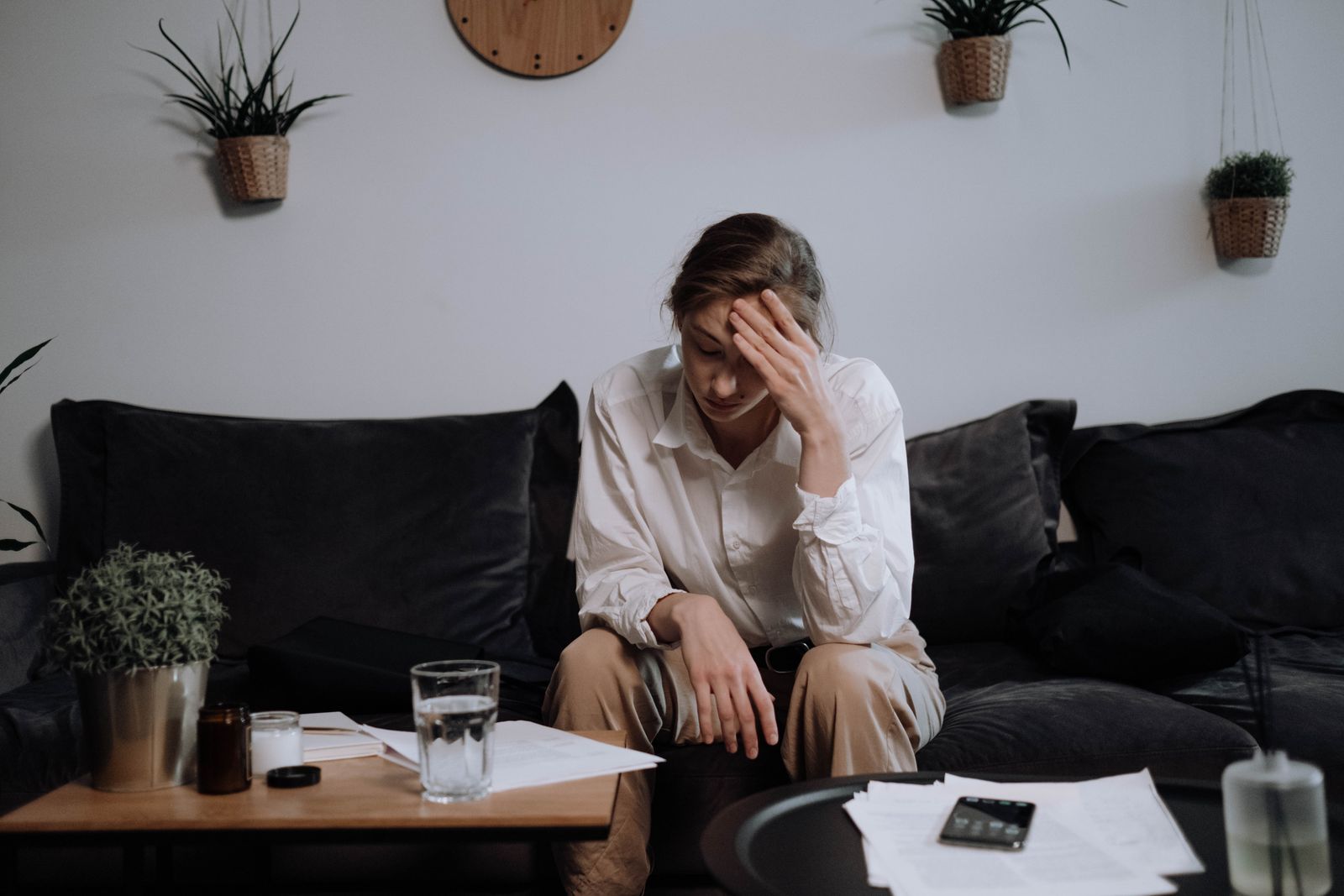
If you are feeling very low or hopeless, please talk to your GP. In the UK you can call NHS 111 or Samaritans on 116 123, any time. In the US you can call or text 988.
Why this is not ‘all in your head’
All pain is processed by the brain, including pain from a broken bone. Saying the brain is involved in BMS is not the same as saying it is made up. Research describes BMS as nociplastic pain, a real change in how the pain system works.
Why it burns when nothing looks wrong
How stress and burning feed each other
It often works like a loop. The burning is upsetting and tiring, which raises stress and disturbs sleep. Stress and poor sleep make the nervous system more alert to pain, so the burning feels stronger. Many people notice flare-ups during difficult periods, after bad nights, or later in the day.
The hopeful side of the loop is that easing any part of it, sleep, stress or worry, can help the rest.
Anxiety and low mood are common
Living with a burning mouth that nobody can explain is hard. It is common to feel anxious about what it might be, frustrated by appointments, and low when nothing seems to help. Feeling this way is a normal response to a difficult problem, and it deserves support too.

What may help
- Understanding the pain. Many people feel calmer once they understand why it burns.
- Cognitive behavioural therapy (CBT). Has research support for BMS and is available through the NHS in many areas.
- Relaxation and breathing. Simple daily practice can lower overall stress.
- Hypnotherapy. Has research support for chronic pain more widely and many people find it helps them feel calmer and more in control. It has not been tested in a trial for BMS specifically.
- Support from your GP. Including help with sleep, mood and any medicines.
Common questions
Can anxiety cause a burning tongue?
Anxiety can make the nervous system more sensitive, which can make burning feel stronger. A burning tongue should still be checked by a dentist or GP to rule out other causes.
Is burning mouth syndrome psychological?
It is a real pain condition involving the nervous system and the brain. Psychological factors like stress can make it worse, and psychological support often helps.
Can burning mouth syndrome cause depression?
Living with long-term pain can lead to low mood. If you feel low most days, please speak to your GP.
Sources
- Orliaguet M and Misery L (2021). Neuropathic and psychogenic components of burning mouth syndrome: a systematic review. Biomolecules. https://pmc.ncbi.nlm.nih.gov/articles/PMC8393188
- Tan HL and others (2021). A systematic review of treatment for patients with burning mouth syndrome. Cephalalgia. https://pmc.ncbi.nlm.nih.gov/articles/PMC8793318
- McMillan R and others (2016). Interventions for treating burning mouth syndrome. Cochrane Database of Systematic Reviews. https://www.cochrane.org/CD002779/ORAL_interventions-treating-burning-mouth-syndrome
Keep reading



Start here
Understand why it still burns
Get the free guide and a short relaxation audio designed to help your nervous system settle. Or book a consultation call to talk through your own situation.