Coping
Coping with burning mouth syndrome: painkillers, alcohol and other ways through
When the burning will not stop, it is natural to reach for anything that takes the edge off. For some people that is painkillers. For others it is a drink in the evening. If that is you, there is no judgement here. This page explains how to stay safe and what else may help.
By Adam Cox, clinical hypnotherapist. Last reviewed November 2026.
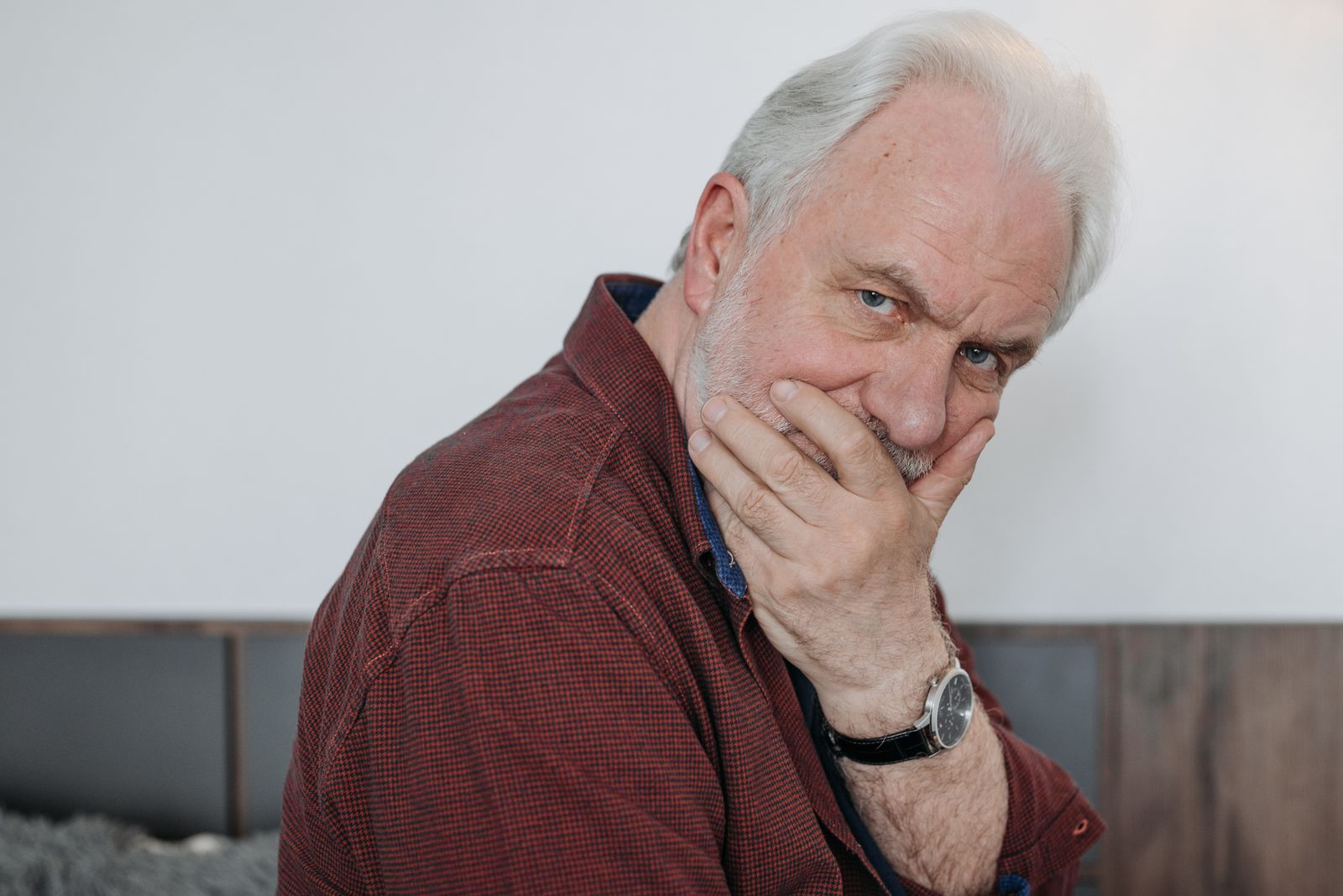
If you drink every day and want to stop, please speak to your GP first. Stopping alcohol suddenly after regular heavy drinking can be dangerous.
Painkillers
Everyday painkillers are often not very effective for burning mouth syndrome, because it is a nerve-related pain rather than a pain from damaged tissue. That can lead people to take more than they should.
- always follow the dose on the packet or from your pharmacist
- taking more than the maximum dose of paracetamol can cause serious liver damage
- do not take more than one product containing the same medicine
- ask your GP about medicines designed for nerve pain
Alcohol
A glass of wine can feel like it numbs the burning for a while. Over time, alcohol can make things worse:
- it can irritate the mouth directly
- it disturbs sleep, which turns up pain
- it can lower mood and raise anxiety the next day
- alcohol-based mouthwash can sting and dry the mouth
If you would like to cut down, your GP can help, and in the UK you can call Drinkline on 0300 123 1110 for free, confidential advice. In the US, the SAMHSA helpline is 1-800-662-4357.

Other ways to take the edge off
- sip cold water or suck ice chips
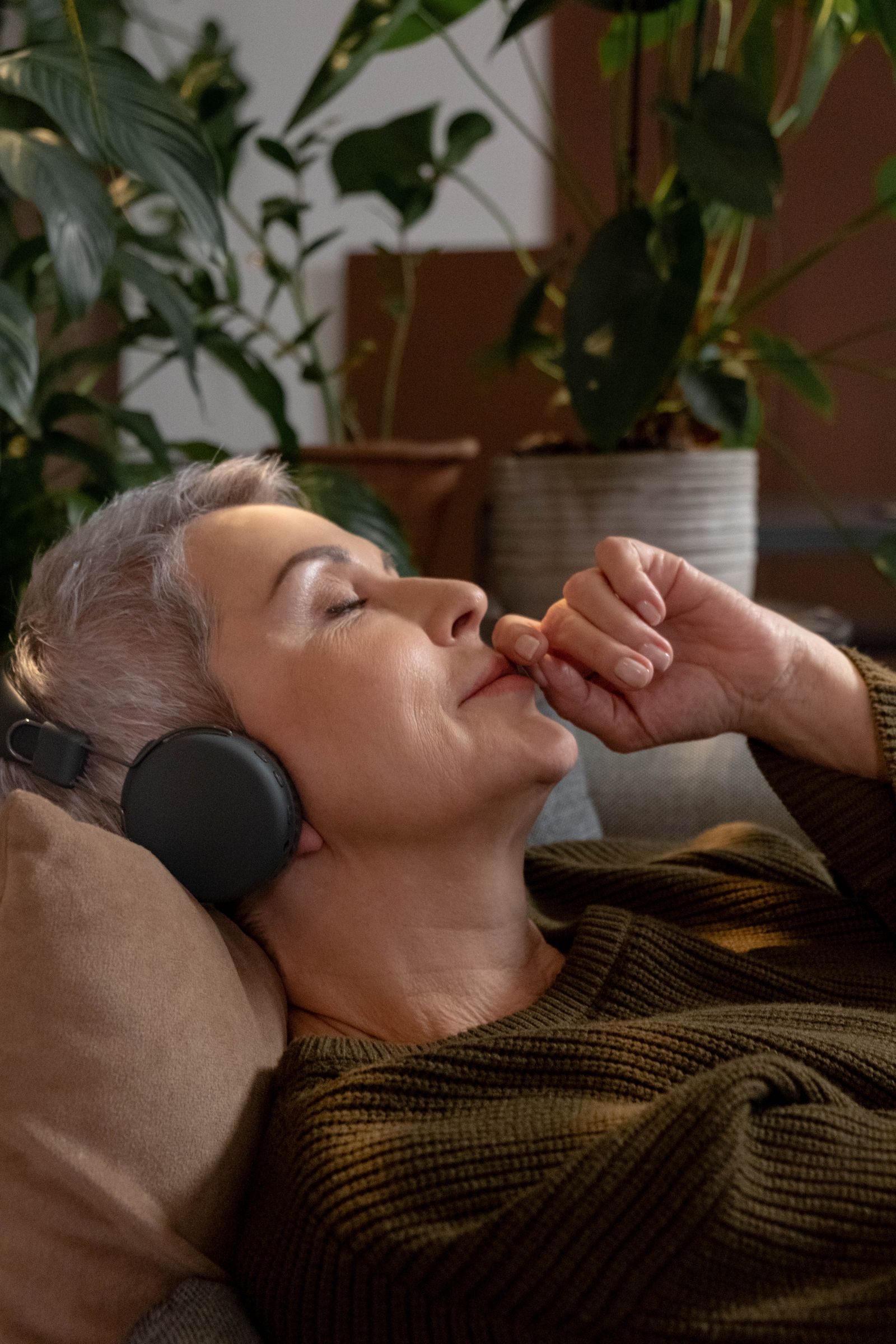
- relaxation, breathing or guided self-hypnosis recordings
- gentle exercise and time outdoors
- distraction that absorbs you, such as music, a hobby or talking to someone
- a steady sleep routine
Relief from burning mouth syndrome
Getting support
You do not have to manage this on your own. Your GP, a pharmacist, a talking therapist or a hypnotherapist can all help in different ways. Many people find that as they learn to settle their nervous system, they need painkillers or a drink less.
Common questions
Do painkillers work for burning mouth syndrome?
Standard painkillers often help less than people expect, because BMS involves the nerves and brain. Ask your GP about nerve pain medicines and other options.
Does alcohol make burning mouth syndrome worse?
Alcohol can irritate the mouth and disturb sleep, both of which can make burning worse over time.
Can I drink with burning mouth syndrome?
That is your choice. Many people find cutting down helps. If you drink heavily every day, talk to your GP before stopping.
Sources
- Mayo Clinic. Burning mouth syndrome: lifestyle and home remedies. https://www.mayoclinic.org/diseases-conditions/burning-mouth-syndrome/diagnosis-treatment/drc-20350917
- NHS. Alcohol support. https://www.nhs.uk/live-well/alcohol-advice/alcohol-support/
Keep reading

Start here
Understand why it still burns
Get the free guide and a short relaxation audio designed to help your nervous system settle. Or book a consultation call to talk through your own situation.